In the quest for healthy skin, few ingredients earn as much universal praise from dermatologists as antioxidants. These are not just marketing buzzwords; they are the frontline defence against oxidative stress—a primary driver of premature ageing caused by UV radiation and pollution. Here is the science behind oxidative stress and how antioxidants help maintain a resilient complexion.
WHY ANTIOXIDANTS MATTER: KEY BENEFITS FOR HEALTHY, GLOWING SKIN
THE UNSEEN ENEMY: UNDERSTANDING OXIDATIVE STRESS
Every day, our skin faces environmental aggressors like UV rays and urban pollution. These generate unstable molecules known as free radicals or Reactive Oxygen Species (ROS) [1].
Think of free radicals as molecular thieves. Lacking an electron, they swipe electrons from stable cells to stabilise themselves. This triggers a destructive chain reaction targeting:
- DNA: Leading to replication errors.
- Lipids: Compromising the skin barrier, which causes dehydration.
- Collagen and Elastin: Degrading structural proteins, resulting in wrinkles and loss of firmness [2].
This damage cascade is oxidative stress. While the body has natural defences, modern environmental assaults often overwhelm them, making topical antioxidants essential.
THE HEROES: HOW TOPICAL ANTIOXIDANTS DEFEND THE SKIN
Topical antioxidants neutralise free radicals by donating an electron, halting the chain reaction before it harms healthy cells. The key benefits include:
- Prevention of Premature Ageing: They remain the most effective tool for protecting collagen and elastin from degradation.
- Photoprotection Support: No sunscreen is 100% effective. Antioxidants catch the free radicals generated by UV rays that slip through your SPF, providing a vital second layer of defence [3].
- Brightening: Many antioxidants, notably Vitamin C, inhibit tyrosinase (the enzyme responsible for melanin), helping to fade dark spots and even out skin tone.
- Calming: By reducing oxidative stress, they also soothe underlying inflammation and redness.
THE A-LIST: GOLD-STANDARD ANTIOXIDANTS
While many ingredients boast antioxidant properties, these five are validated by extensive research:
- Vitamin C (L-Ascorbic Acid): The gold standard. It neutralises free radicals, boosts collagen synthesis, and brightens skin. It performs best when formulated at a low pH combined with other antioxidants for stability [4].
- Vitamin E (Tocopherol): A lipid-soluble antioxidant excellent at protecting cell membranes. It works synergistically with Vitamin C, which regenerates Vitamin E after it has neutralised a free radical.
- Ferulic Acid: When paired with Vitamins C and E, it stabilises the volatile Vitamin C and increases the formula's photoprotective capacity eightfold [4].
- Niacinamide (Vitamin B3): A multi-tasker that offers antioxidant benefits while simultaneously strengthening the skin barrier, reducing inflammation, and minimising pores [5].
- Resveratrol: A potent polyphenol found in red grapes, renowned for its anti-ageing capabilities and cellular support.
BUILDING AN EFFECTIVE ROUTINE
The most crucial step is applying a well-formulated antioxidant serum every morning after cleansing. This pre-loads the skin with protection against the day's environmental damage. Follow this with a broad-spectrum sunscreen (SPF 30+). This simple combination is the definitive daytime strategy for preserving skin health.
CONCLUSION
Oxidative stress is an unavoidable reality. Therefore, topical antioxidants are not optional—they are fundamental. By neutralising free radicals, they protect the skin's structure, prevent collagen breakdown, and reduce inflammation. A daily morning routine of an antioxidant serum followed by sunscreen is the single most powerful investment for long-term skin health.
REFERENCES
References:
- Araviiskaia, E., Berardesca, E., Bieber, T., et al. (2019). The impact of airborne pollution on the skin. Journal of the European Academy of Dermatology and Venereology, 33(8), 1496-1505.
- D'Orazio, J., Jarrett, S., Amaro-Ortiz, A., & Scott, T. (2013). UV radiation and the skin. International Journal of Molecular Sciences, 14(6), 12222–12248.
- Pinnell, S. R. (2003). Cutaneous photodamage, oxidative stress, and topical antioxidant protection. Journal of the American Academy of Dermatology, 48(1), 1-19.
- Pinnell, S. R., Yang, H., Omar, M., et al. (2005). Topical L-ascorbic acid: percutaneous absorption studies. Dermatologic Surgery, 27(2), 137-142.
- Bissett, D. L., Miyamoto, K., Sun, P., Li, J., & Berge, C. A. (2004). Topical niacinamide reduces yellowing, wrinkling, red blotchiness, and hyperpigmented spots in aging facial skin. International Journal of Cosmetic Science, 26(5), 231-238.
Complete your skincare routine
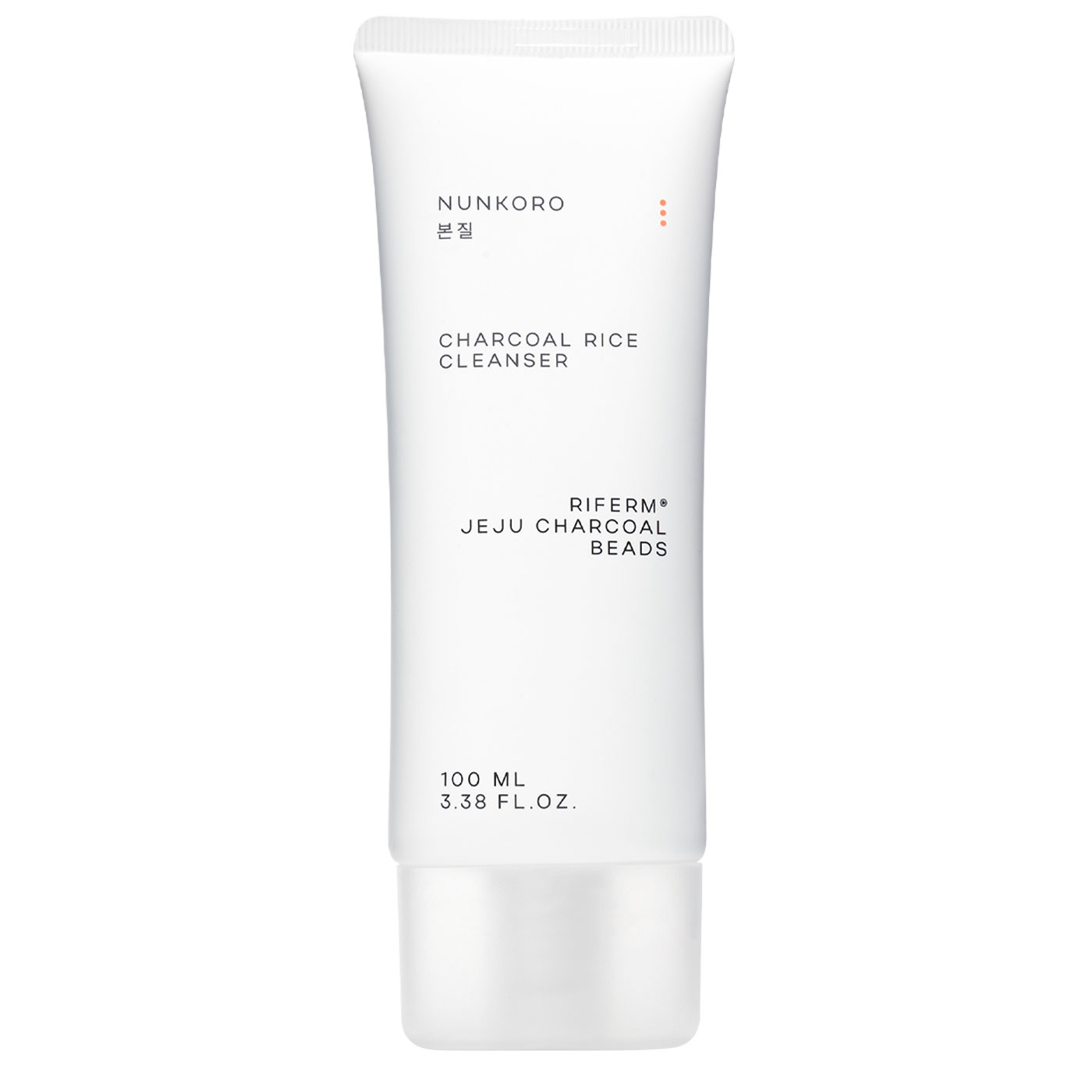
CHARCOAL RICE CLEANSER
JEJU CHARCOAL BEADS
RIFERM®
AQUAFILL REHYDRATING CREAM
5-HA COMPLEX
AQUAXYL™
COCONUT FRUIT JUICE
SKINHANCE BB REFINING CREAM
AQUAXYL™
GREEN FRUIT COMPLEX
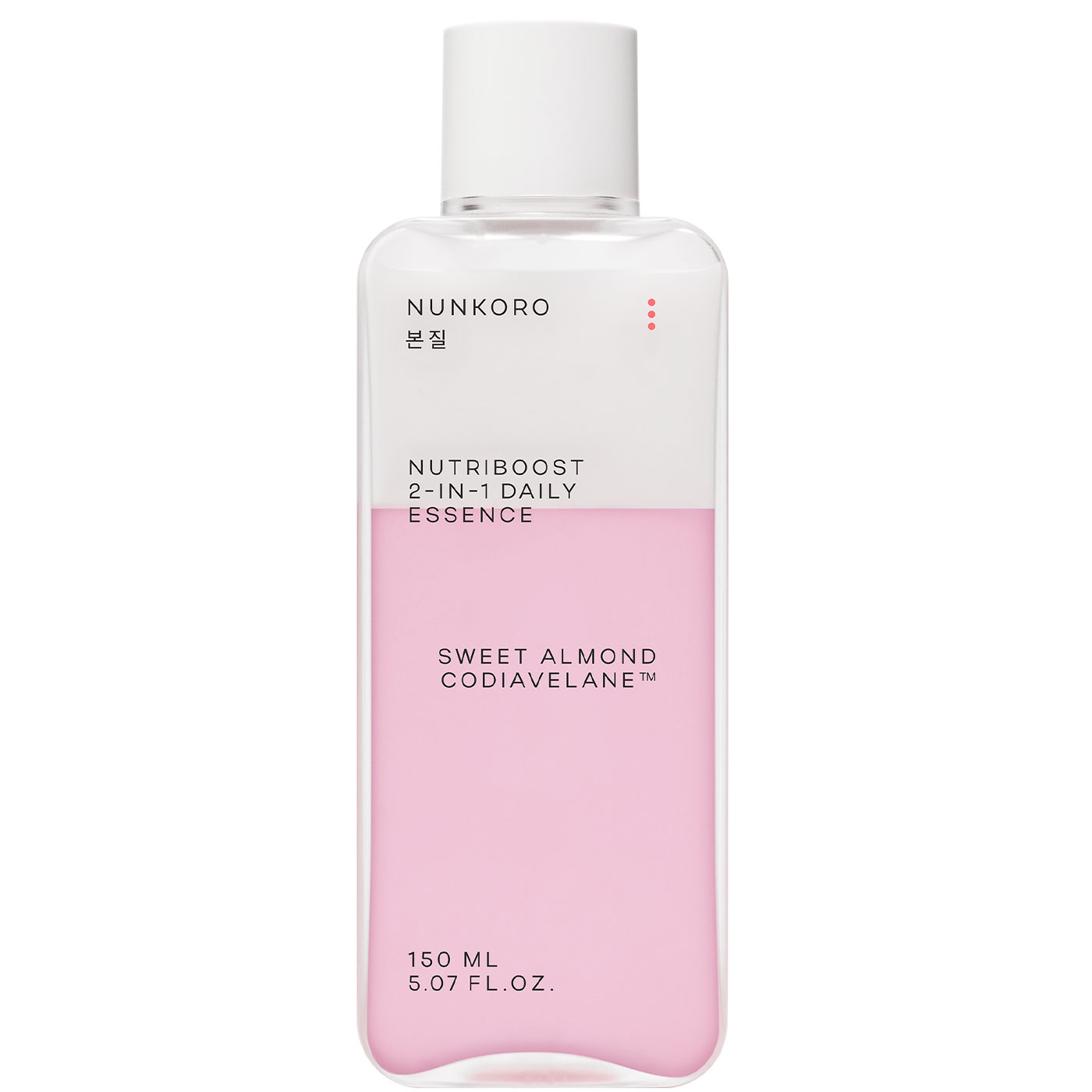
NUTRIBOOST 2-IN-1 DAILY ESSENCE
CODIAVELANE™
SWEET ALMOND OIL