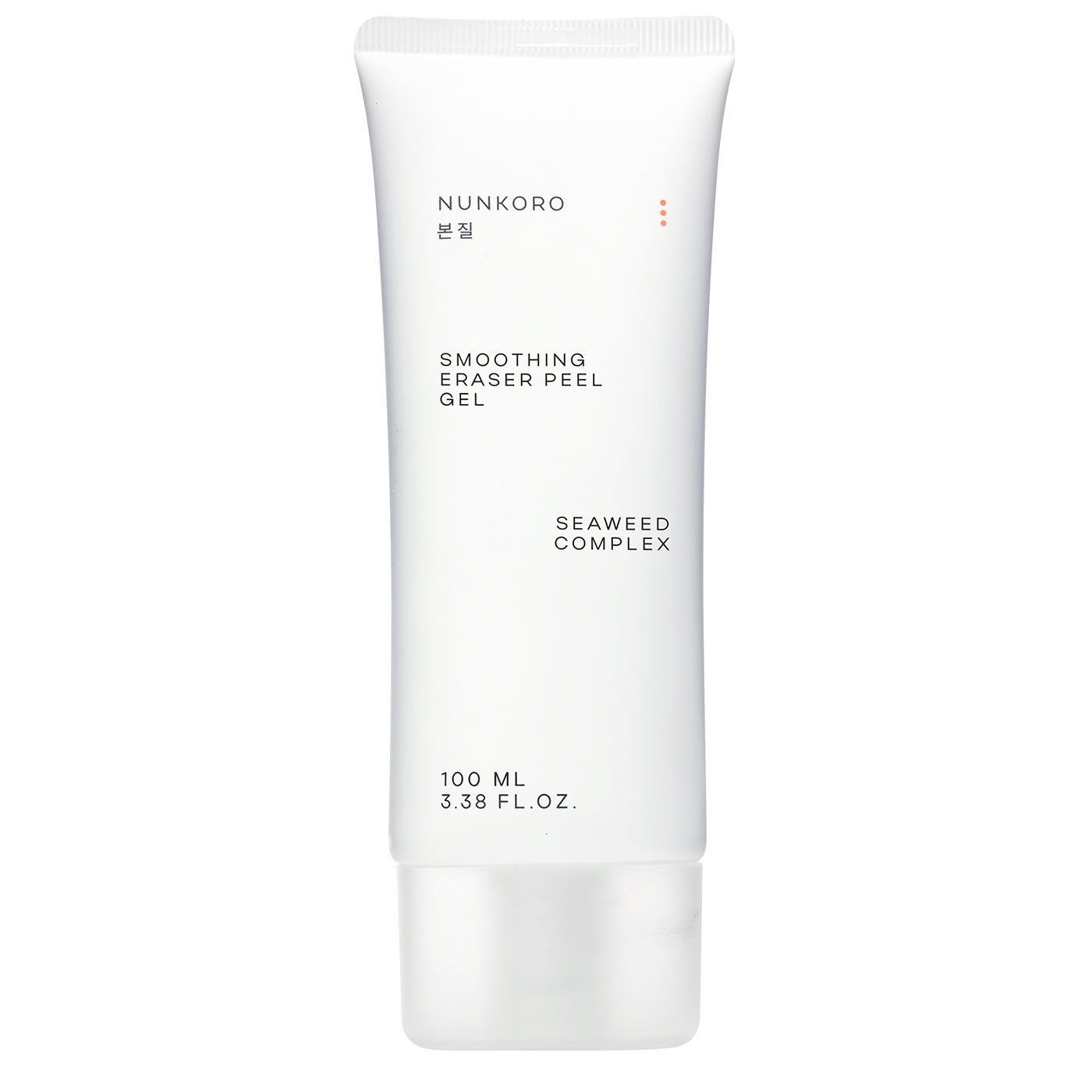
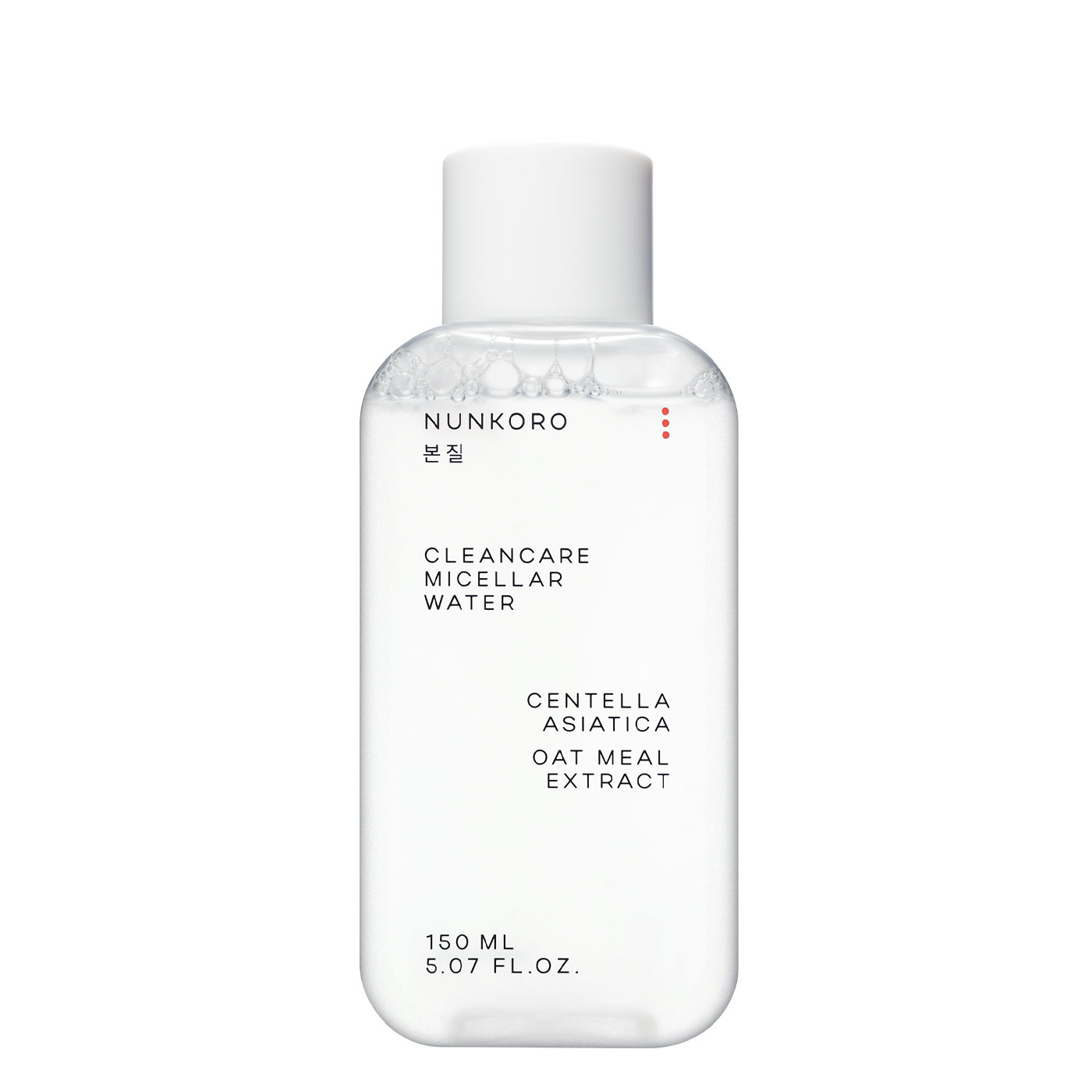
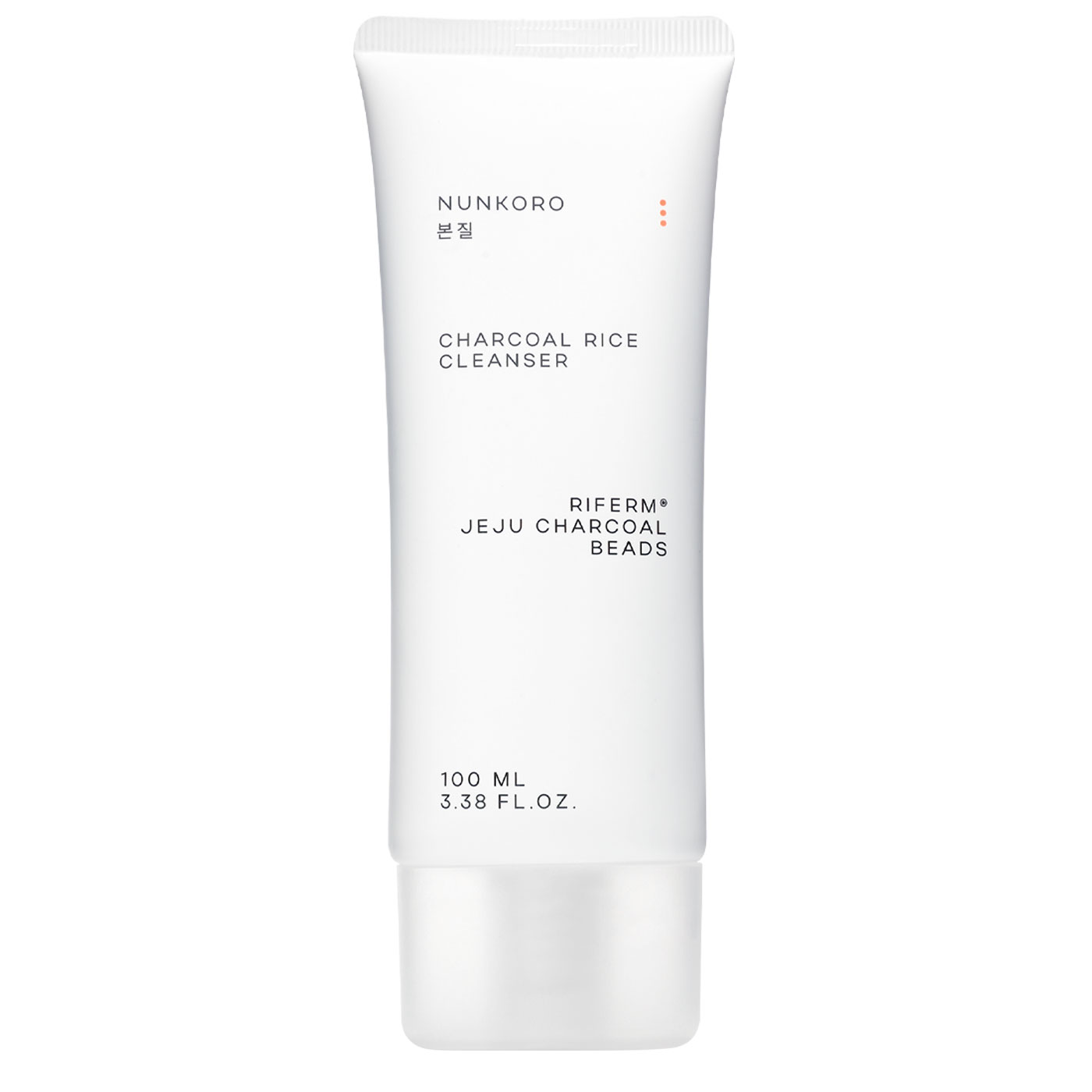
The efficacy of any skincare routine is predicated on its foundation: the cleanse. While traditional cleansers are effective for daily impurities, the robust nature of modern cosmetics calls for a more strategic approach. Double cleansing, a methodical two-step process, provides a scientifically superior solution, rooted in the principles of chemical efficiency and skin barrier preservation.
DOUBLE CLEANSING: USING MICELLAR WATER OR CLEANSING OIL BEFORE A FACIAL GEL HELPS TO REMOVE MAKE-UP MORE EFFECTIVELY
THE CHALLENGE: THE COMPOSITION OF MODERN COSMETICS
Today's long-wear and water-resistant products are engineered for endurance. Their formulas create an adhesive film using a matrix of lipophilic (oil-soluble) ingredients. These commonly include silicones, polymers, waxes, and mineral sunscreen filters, all suspended in a non-aqueous base. A standard water-based cleanser, even with its surfactants, struggles to efficiently break down this tenacious layer, often requiring aggressive mechanical friction that can compromise the skin's delicate barrier function [1].
THE SCIENTIFIC RATIONALE: EFFICIENCY OF SOLVENTS AND SURFACTANTS
The logic behind double cleansing is based on two core chemical principles: mass action and surfactant efficiency.
First, the principle of "like dissolves like" dictates that a solvent will most effectively dissolve a solute of a similar chemical nature. By applying a lipid-based cleanser (an oil or balm), the entire formula acts as a solvent, swiftly breaking down the oil-based matrix of make-up and sunscreen. This process is far more efficient and less mechanically abrasive than relying solely on the limited action of surfactants in a water-based gel [2].
Second, the role of surfactants is optimised. In a cleansing oil, their primary job is to emulsify the oil-grime mixture upon contact with water, allowing it to be rinsed away cleanly. In micellar water, surfactants are organised into highly efficient structures (micelles) that trap oils internally [3]. This targeted first step removes the heaviest load of impurities. The subsequent water-based cleanser can then work on a much cleaner surface, effectively removing residual grime and water-soluble debris.
A HIERARCHY OF CLEANSING: IDEAL VS. COMPROMISE
To understand the value of the full protocol, it's useful to analyse the risks of shortened or single-step methods when dealing with make-up:
- The Gold Standard (Lowest Risk): Double cleansing. An oil-based or micellar first step effectively dissolves make-up, and a water-based second step ensures all residues—both from make-up and the first cleanser—are thoroughly removed. This is the most complete and skin-respecting method.
- The Situational Compromise: A single micellar cleanse without rinsing. This option presents a trade-off. For removing heavy make-up, it is suboptimal as it can leave behind a film of surfactants and dissolved impurities. However, for a light, waterless cleanse on a make-up-free day, especially for those with extreme sensitivity to hard tap water, it can be a viable strategy to minimise irritation. The choice depends entirely on the context and the skin's individual needs.
- The High-Risk Method: Using only a cleansing oil or balm without a second wash. This leaves an occlusive film of oils and trapped impurities on the skin, creating a direct pathway to clogged pores and the development of "acne cosmetica"—breakouts triggered by cosmetic residue [4].
CONCLUSION
Double cleansing is not about redundancy; it’s about chemical synergy and risk management. For the specific and demanding task of removing make-up and sunscreen, it remains the gold standard. By first deploying a lipophilic cleanser and then following with a hydrophilic one, the method provides a demonstrably more thorough cleanse. This systematic approach actively prevents the issues caused by residual product, preserves the skin barrier, and creates an unimpeded pathway for the absorption of active ingredients, ultimately enhancing the efficacy of the entire skincare routine that follows [5].
REFERENCES
- Ananthapadmanabhan, K. P., et al. (2004). Cleansing without compromise: the impact of cleansers on the skin barrier and the technology of mild cleansing. Dermatologic Therapy, 17(s1), 16-25.
- Loden, M. (2003). Role of topical emollients and moisturisers in the treatment of dry skin barrier disorders. American Journal of Clinical Dermatology, 4(11), 771-788.
- Skadiņa, D., Nokalna, I., & Balcere, A. (2024). Assessment of Micellar Water pH and Product Claims. Dermato, 4(3), 79-85.
- Kligman, A. M., & Mills, O. H. (1972). Acne cosmetica. Archives of Dermatology, 106(6), 843-850.
- Elias, P. M. (2005). Stratum corneum defensive functions: an integrated view. Journal of Investigative Dermatology, 125(2), 183-200.