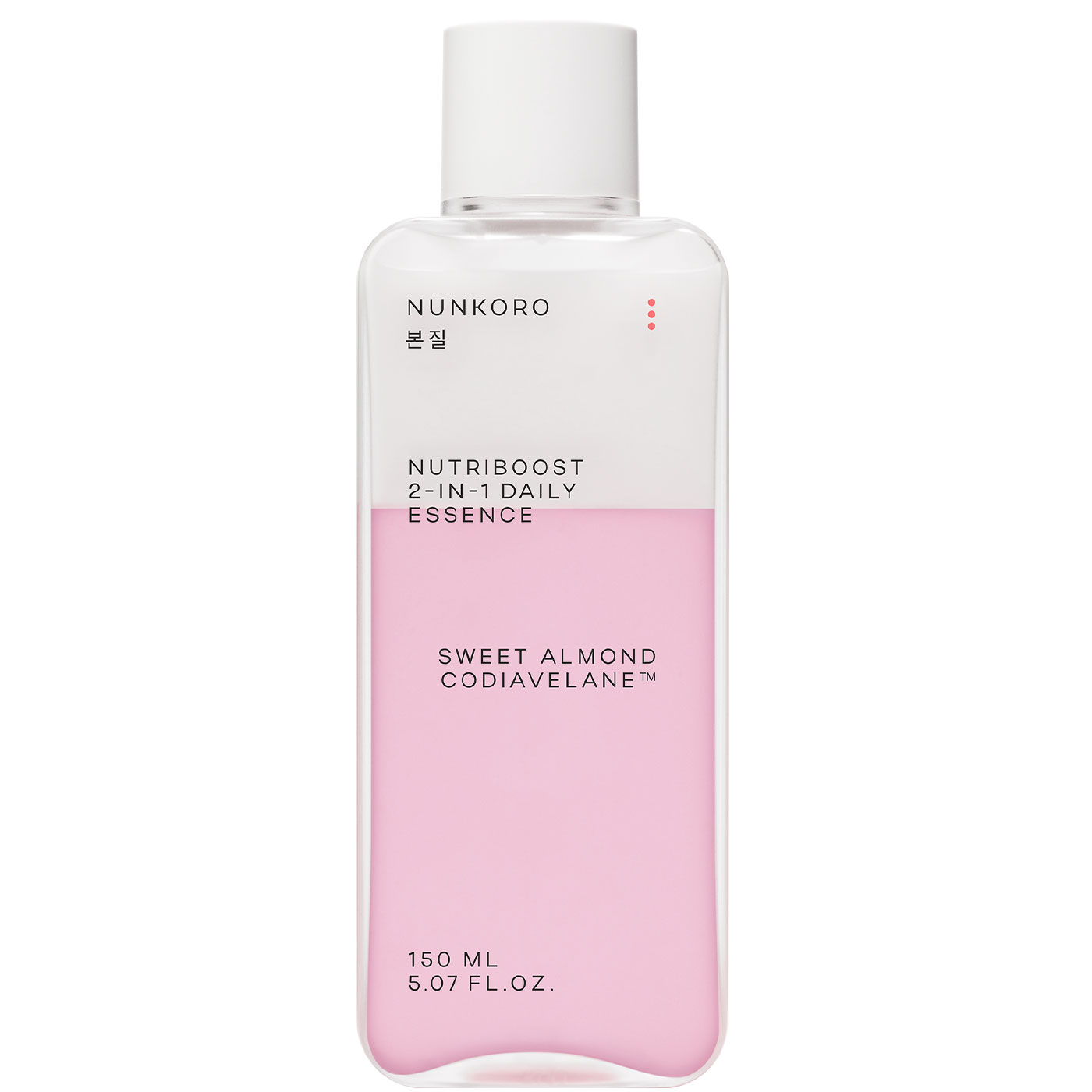
The skin barrier is a complex ecosystem, and its health is intrinsically linked to the delicate balance of microorganisms on its surface—the skin microbiome. Modern lifestyles, environmental pollution, and aggressive skincare practices frequently disrupt this balance, leading to a state of dysbiosis. This can manifest as a compromised barrier function, increased sensitivity, dryness, and inflammation. In response, a new generation of "biotic" ingredients—probiotics, prebiotics, and postbiotics—has emerged, aiming not to treat symptoms, but to restore the health of the skin's ecosystem itself. This article provides a scientific overview of their mechanisms and offers evidence-based strategies for integrating these components into a skincare regimen to foster a resilient and healthy skin barrier.
THE ROLE OF PRO-, PRE-, AND POSTBIOTICS IN COSMETICS: SCIENTIFIC APPROACH TO RESTORING AND SUPPORTING THE SKIN BARRIER
THE SKIN MICROBIOME: THE BARRIER'S INVISIBLE GUARDIAN
The skin barrier is more than just a physical wall of corneocytes and lipids; it is a living, dynamic system in constant communication with the trillions of microorganisms that comprise the skin microbiome. In a healthy state (eubiosis), these microorganisms exist in a symbiotic relationship with the host, helping to maintain an acidic pH, crowding out pathogens, and even modulating the local immune response [1]. A disruption in this balance, known as dysbiosis, is directly correlated with impaired barrier function and is a hallmark of conditions like acne vulgaris, rosacea, and atopic dermatitis [2]. In atopic dermatitis, for example, dysbiosis is often characterized by a decrease in microbial diversity and an overgrowth of Staphylococcus aureus, directly linking microbial imbalance to inflammation and barrier dysfunction [3].
DECIPHERING THE 'BIOTICS': DIFFERENTIATING PRO-, PRE-, AND POSTBIOTICS
While often grouped under the umbrella of "probiotic skincare," this category includes three distinct but complementary classes of ingredients, each with a unique mechanism of action.
1. Probiotics and Postbiotics: From Live Cultures to Functional Metabolites
The Challenge: Formulating cosmetics with live probiotic bacteria is exceptionally difficult due to issues with stability and preservation. Live cultures are fragile and can behave unpredictably within a product's shelf life [4].
The Solution & Mechanism: The cosmetics industry has embraced a more stable and targeted solution: postbiotics. These are non-viable (heat-treated) bacteria, their fragments (lysates), or the beneficial metabolites they produce during fermentation (e.g., enzymes, peptides, short-chain fatty acids). It is these components that deliver the primary biological benefits to the skin:
- Ferment Lysates (e.g., Bifida Ferment Lysate, Lactobacillus Ferment Lysate): Have been shown to help protect skin from UV-induced damage, reduce skin sensitivity, and accelerate barrier recovery [5].
- Ferment Filtrates (e.g., Galactomyces Ferment Filtrate): Are rich in amino acids, vitamins, and minerals that improve skin texture, increase hydration, and provide antioxidant benefits.
2. Prebiotics: Nourishing the Native Beneficial Flora
The Challenge: An imbalance of nutrients on the skin's surface can allow pathogenic or opportunistic microbes (like C. acnes in acne) to overgrow, while beneficial species struggle.
The Solution & Mechanism: Prebiotics act as a selective "fertilizer" for the skin's beneficial microorganisms. They provide a food source for commensal bacteria like Staphylococcus epidermidis, helping them thrive and outcompete undesirable microbes. By feeding the good bacteria, they help to rebalance the microbiome and reduce the likelihood of inflammation and breakouts [6].
PRACTICAL APPLICATION: INTEGRATING 'BIOTICS' INTO A SKINCARE REGIMEN
Incorporating these ingredients into a daily routine helps to fundamentally strengthen the skin's own defence systems for long-term health.
Who Benefits Most?
While beneficial for nearly all skin types, biotic-focused care is particularly effective for:
- Sensitive and reactive skin prone to redness and irritation.
- Dry, dehydrated skin with a compromised barrier function.
- Acne-prone skin where microbial balance is a key factor.
- "City skin" exposed to daily environmental stressors, as airborne pollutants have been shown to negatively alter the skin's microbial balance and weaken its defences [7].
Integration Strategy:
- Cleansing: Begin with a gentle, pH-balanced cleanser that does not strip the skin's acid mantle or microbiome.
- Active Treatment: The most effective delivery method for biotics is through leave-on products like toners, essences, and serums. Look for INCI names such as Bifida Ferment Lysate, Lactobacillus Ferment, Galactomyces Ferment Filtrate, Alpha-Glucan Oligosaccharide, and Inulin.
- Moisturize & Protect: Choose moisturizers that combine postbiotics with classic barrier-supporting ingredients like ceramides, niacinamide, and fatty acids. This synergistic approach simultaneously repairs the lipid layer and supports the microbial ecosystem.
CONCLUSION
The shift from an antibacterial mindset to one focused on nurturing a healthy skin ecosystem represents a significant paradigm shift in modern dermatology and skincare. Probiotics, prebiotics, and particularly their more stable derivatives, postbiotics, offer a scientifically-backed tool for modulating the skin microbiome to restore and maintain barrier function. Integrating these components allows skincare to target the root cause of skin issues instead of just managing symptoms. The result is a complexion that is fundamentally balanced, resilient, and healthy.
REFERENCES
- Grice, E. A., & Segre, J. A. (2011). The skin microbiome. Nature Reviews Microbiology, 9(4), 244-253.
- Prescott, S. L., Larcombe, D. L., Logan, A. C., et al. (2017). The skin microbiome: impact of modern environments on skin health, allergy, and disease. The Journal of Allergy and Clinical Immunology, 140(2), 345-353.
- Byrd, A. L., Belkaid, Y., & Segre, J. A. (2018). The human skin microbiome. Nature Reviews Microbiology, 16(3), 143-155.
- Kumar, Sumir, Bharat Bhushan Mahajan, and Nidhi Kamra. "Future perspective of probiotics in dermatology: an old wine in new bottle." Dermatology Online Journal 20.9 (2014).
- Amobonye, Ayodeji, et al. "Postbiotics: an insightful review of the latest category in functional biotics." World Journal of Microbiology and Biotechnology 41.8 (2025): 1-30.
- Lolou, Vasiliki, and Mihalis I. Panayiotidis. "Functional role of probiotics and prebiotics on skin health and disease." Fermentation 5.2 (2019): 41.
- Araviiskaia, Elena, et al. "The impact of airborne pollution on skin." Journal of the European Academy of Dermatology and Venereology 33.8 (2019): 1496-1505.